
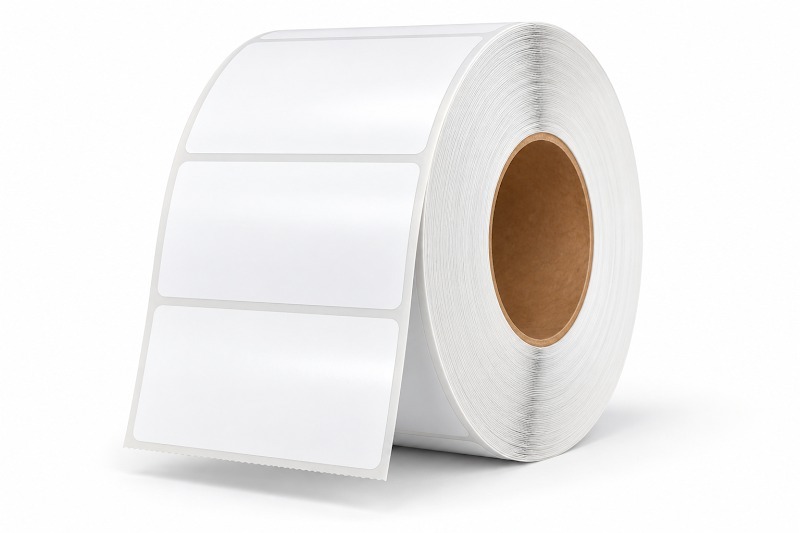
Blank direct thermal labels let you change printed content through the label template. Preprinted stock suits applications where logos, colors, or standard text stay consistent across repeat orders. The better choice depends on how much of each label changes, how often artwork changes, and how many products share one label format.
People Also Ask
Can You Print Variable Data on Preprinted Direct Thermal Labels?
Yes. The thermal printer prints fixed elements on the roll in advance and adds barcodes, lot codes, and dates in the open areas.
Do Blank Direct Thermal Labels Fade?
Heat, light, and abrasion can affect direct thermal image readability. Match the selected material’s documented resistance to the required label life.
For procurement and operations teams, this decision affects more than unit price. It shapes setup charges, inventory levels, and how much label stock becomes obsolete when packaging changes. Planning label sourcing around these tradeoffs helps buyers avoid surprises at reorder time.
How Blank and Preprinted Direct Thermal Label Workflows Differ
With blank direct thermal labels, the printer produces every element on site: text, graphics, and barcodes. With preprinted label stock, fixed elements such as logos, borders, warnings, or color bands are already on the roll, and the thermal printer adds only the fields that change.
| Factor | Blank Direct Thermal Labels | Preprinted Direct Thermal Labels |
| Printed on site | All text, graphics, and barcodes | Variable fields only |
| Color and branding | Thermal image in a single color | Preprinted color and graphics |
| Upfront setup | Confirm stock availability and any custom specification charges | Confirm artwork, proofing, and applicable setup charges |
| SKU flexibility | One format can serve many SKUs | Format tied to specific artwork |
| Obsolescence risk | Stock may remain usable after content changes if specifications remain suitable | Artwork changes may make remaining stock unusable |
| Typical fit | Frequently changing printed content | Repeated fixed artwork with designated variable data areas |
Neither approach is better in every case. The table shows where each one tends to fit; the application decides.
Fixed Information and Variable Data Requirements
Start by separating what stays the same from what changes on every label. Variable data labeling covers serial numbers, lot codes, dates, weights, shipping addresses, and the barcodes that encode them. Fixed information includes logos, company details, handling symbols, and standard statements.
When most printed content changes, consider blank stock. When fixed artwork repeats, consider preprinted stock with designated areas for variable data.
Setup Costs, Order Quantities, and Inventory Considerations
For preprinted label stock, ask whether the quote includes artwork preparation, proofing, printing plates where applicable, and minimum order requirements. Compare these charges against expected usage and artwork changes. Minimums also matter when buyers are already managing longer lead times and shifting material availability.
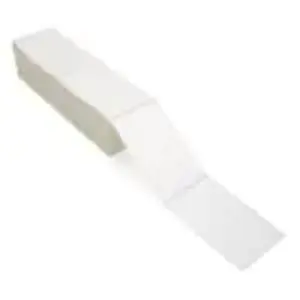
Blank stock doesn’t require preprinted artwork, though custom label specifications may incur setup charges. Technicode Inc. supplies stock direct thermal label rolls, fanfold labels, and mobile printer labels in a range of sizes and core configurations.
Inventory follows the same pattern, especially when you standardize direct thermal labels across multiple sites. One blank format can cover several product lines, while each preprinted design becomes its own item to forecast, store, and reorder.
Artwork Changes, SKU Flexibility, and Obsolete Stock
A rebrand, a regulatory wording update, or a discontinued SKU can turn preprinted rolls on the shelf into obsolete stock. With blank labels, you can handle some content changes through the label template, provided the existing stock and printer remain suitable.
Before committing to preprinted stock, review:
- How often packaging artwork has changed in recent years
- How many SKUs would need their own preprinted design
- Whether any product lines are likely to be redesigned or phased out
If the answers point to frequent change, blank labels carry less risk.
Preprinted Elements Combined With Variable Data
Preprinted stock can combine fixed artwork with variable data added during thermal printing. The roll carries the elements that rarely change, such as a logo, zones identified by color, or handling instructions, and leaves clear areas where the printer adds barcodes and dates. If your workflow requires color coding, specify the fixed color areas and leave suitable space for variable data. The same planning applies to warehouse and distribution labels.
Preprinted artwork should not be treated as evidence of variable image durability. Confirm the selected material’s documented performance. If labels face heat, sunlight, abrasion, or extended storage, review how direct thermal and thermal transfer labels compare in cold chain conditions before choosing either format.
Printer Compatibility, Artwork Placement, and Sample Testing
Both formats must match the printer, so specify direct thermal labels for your plant by label width, core size, outside diameter, and sensing method, whether gap, notch, or black mark. Technicode Inc. supplies materials compatible with a wide range of thermal printers, including Zebra, Datamax, Sato, and Monarch.
Preprinted labels add placement checks. Keep preprinted ink clear of areas where variable data will print, and ensure artwork registers consistently to the label edge so printed fields line up. Confirm artwork placement and sensing requirements with the supplier and printer documentation.
Request samples, run them on production printers with live data, and scan the barcodes before approving a full order. Keep darkness within the manufacturer’s range, since excessive darkness is one of the factors that can shorten thermal printhead life.
Choosing an Approach and Preparing an RFQ
Choose blank direct thermal labels when SKU counts are high, data changes constantly, or artwork is likely to change. Choose preprinted labels when volumes are stable, branding or color matters, and the fixed content will stay current for several reorders.
For either path, a complete RFQ gives the supplier the information needed to assess the application and prepare a quote for custom label solutions. Include:
- Label dimensions, material, and adhesive
- Application surface, environment, and required label life
- Printer make and model, core size, and outside diameter
- Fixed artwork files and colors, if preprinting
- Variable fields and their placement
- Estimated annual volume, release quantities, and number of artwork versions
Contact Technicode Inc. to discuss the requirements and request a custom label quote.
Frequently Asked Questions
Compare quotes for equivalent specifications, including setup charges, order quantities, and expected unused stock.
Yes. Colors and graphics are printed on the stock in advance, while the direct thermal printer adds an image in a single color on site.
Ask the supplier to confirm the minimum order for the proposed specifications before finalizing artwork.
A switch may be possible if the printer can reproduce the required content and the blank stock meets the application requirements. Test the revised format before changing supply.
Assess thermal transfer labels when extended readability or exposure resistance is required. Confirm the selected label and ribbon combination against the application requirements.
