
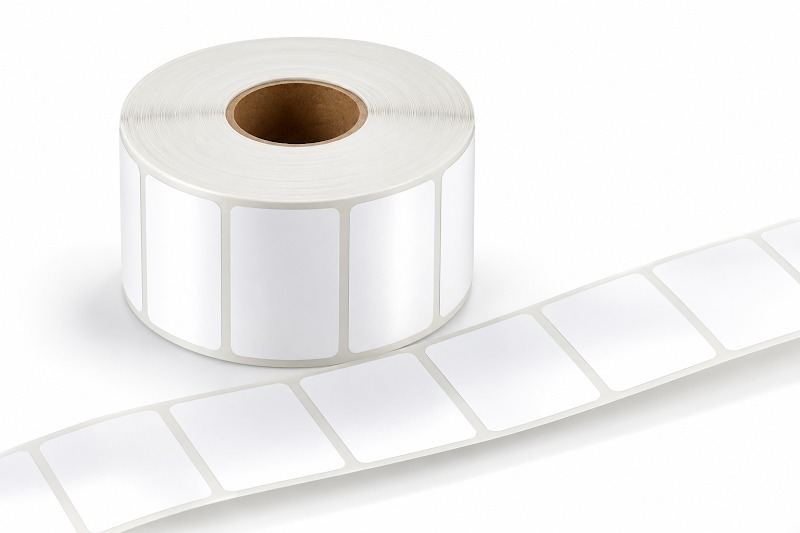
The manufacturing labor shortage in 2026 is not a hiring problem plants can wait out. Skilled openings stay open for months, and experienced workers who used to run cycle counts and location audits are retiring or being pulled onto the line. That leaves operations teams rethinking every process that still depends on someone walking the floor with a clipboard.
People Also Ask
1. Why is there a manufacturing labor shortage?
Retirements of experienced workers, fewer younger entrants, and rising demand for technical skills have outpaced the available workforce.
2. What is automated inventory tracking?
It uses barcode or RFID labels read by scanners to record inventory movement in a system, replacing manual counts and paper logs.
For many plants, the answer is automated inventory tracking: scanning labeled items at each touchpoint so records keep up even when headcount doesn’t. Here’s what’s driving that shift.
Just How Tight Is the Manufacturing Labor Market Right Now?
Tight, and the pressure is structural, not seasonal.
The squeeze is sharpest in skilled roles: maintenance technicians, machinists, quality inspectors, and process staff. Those openings take longer to fill and cost more. Meanwhile, existing supervisors and leads often end up covering two jobs.
What Gets Deprioritized First When Headcount Is Tight
Manual cycle counts and audits are usually the first casualty. When a supervisor has to choose between staffing a line and counting a cage of work in progress, the line wins.
The effects build quietly:
- Cycle counts slip from weekly to monthly, then to “when we get to it.”
- Location audits stop, so parts drift from their system locations.
- Paper tally sheets get keyed in late, or with transcription errors.
- Tool and gauge checks lapse, leaving traceability gaps.
None of this halts production on day one. It surfaces later as a missed shipment, a phantom stockout, or an audit finding. These are the same patterns that cause manufacturers to lose visibility into their own inventory.
Why Automation Is Filling the Gap, Not Just Cutting Costs
Most plants aren’t automating tracking to reduce headcount. They’re doing it because they can’t keep accurate records with their current staffing. That makes automated tracking one of the more practical plant labor shortage solutions.
The math is different. A scan at receiving, put-away, issue to the line, and shipping captures the same data a manual count would. But it happens as a byproduct of work already underway, so the record stays current without a counting crew.
This is also why asset visibility is becoming a manufacturing advantage rather than a back-office metric. Plants that know where materials, tools, and WIP sit schedule tighter and waste less of a short-staffed shift searching. Distribution centers under the same hiring squeeze are driving similar warehouse automation trends.
What “Automated Tracking” Actually Looks Like on a Leaner Floor
On most floors, it means barcodes and handheld scanners, not robots, at four touchpoints:
- Receiving: Inbound cartons and pallets get a barcode tied to the PO, so put-away is a scan, not a keyed entry.
- Work in progress: Travelers or WIP tags are scanned at each operation, showing where every job sits.
- Tools and fixed assets: Durable asset tags let one person verify a tool crib without a full count.
- Shipping: Labels printed on demand at pack-out confirm the right item is leaving.
RFID earns its place where line-of-sight scanning is impractical, such as high-volume returnable containers. It isn’t necessary for every application, and on many floors barcode tracking covers the need.
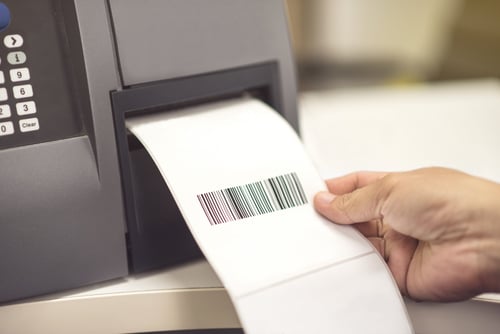
The label is what makes or breaks the system. A tag that smears, lifts off a painted surface, or fades near a heat source turns a scan back into a manual lookup. Facestock, adhesive, and print method should match the surface, environment, and required lifespan. Durable thermal transfer labels suit long-life asset and WIP tags, while direct thermal labels fit short-life shipping uses.
What This Means for Plants That Haven’t Automated Yet
The gap between plants that have made the shift and those that haven’t is widening. A plant scanning at every touchpoint can absorb a retirement or resignation without losing inventory accuracy. A plant still relying on manual counts loses accuracy each time it loses a person.
Start where manual tracking hurts most, often receiving, WIP, or the tool crib, and label it properly first. Before specifying labels, review:
- The surfaces and environments each label will face
- How long each label must stay scannable
- The printer models already in use
- The barcode symbology and data your ERP or WMS expects
Technicode Inc. supplies custom and stock label solutions for industrial businesses across the United States, including custom manufacturing labels for asset, inventory, and work-in-progress identification. Need labels produced around a specific inventory or warehouse application? Contact Technicode Inc. to discuss the requirements and request a custom label quote.
Frequently Asked Questions
1. Does automated tracking replace plant workers?
No. It removes manual counting and data entry so existing staff can focus on production and exceptions instead of tally sheets.
2. Is barcode or RFID better for a short-staffed plant?
Barcode is usually the simplest place to start. RFID fits high-volume or non-line-of-sight applications where scanning each item is impractical.
3. What labels does automated inventory tracking require?
Labels matched to the surface, environment, and lifespan. Thermal transfer suits durable asset and WIP tags; direct thermal suits short-life shipping labels.
4. Can custom labels match an existing ERP or WMS barcode format?
Yes. You can specify custom label solutions to match the size, barcode symbology, and data layout your system already uses.
5. Where should a plant start with automated tracking?
With the process where manual counts slip most, usually receiving, work in progress, or the tool crib.
